
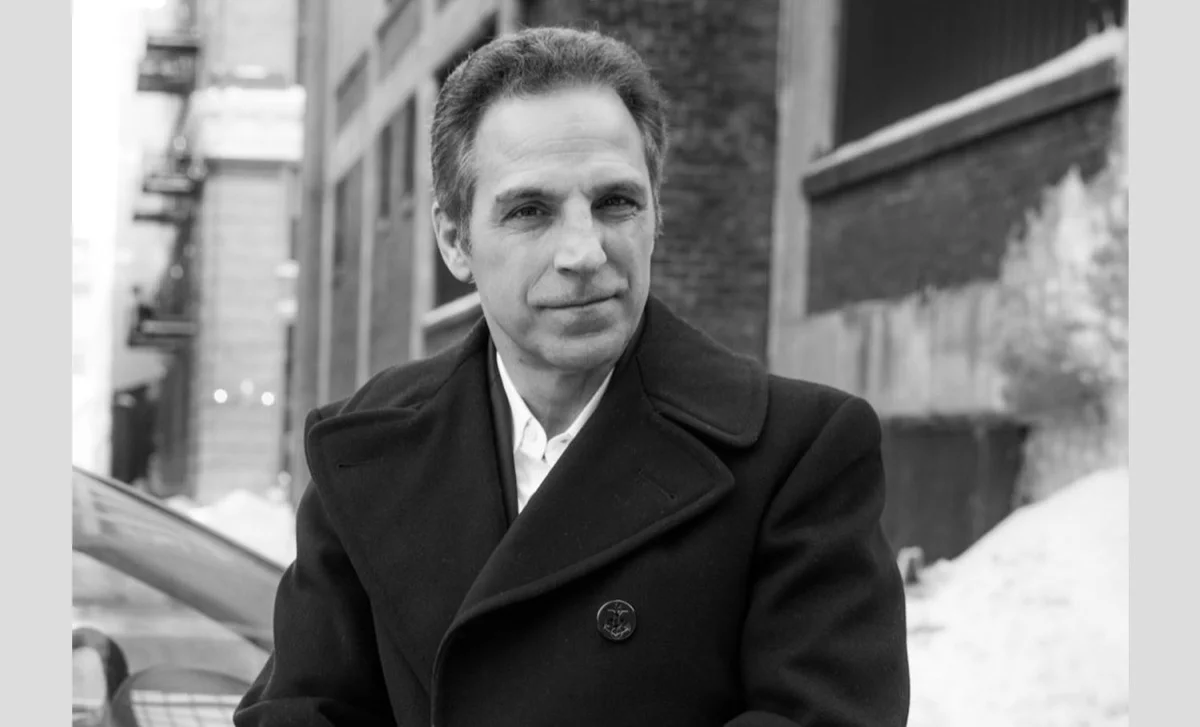
Thomas Pecora spent decades in counter-terrorism and security operations, including service with the CIA. Today, as WanderSafe's Safety Expert in Residence, he brings that expertise to a mission closer to home: making personal safety accessible to everyone.
In a wide-ranging conversation, Pecora — alongside Cortina Jackson, a safety expert and WanderSafe collaborator — shared three strategies that anyone can use to travel smarter and stay safer, whether crossing international borders or walking home at night.
Strategy 1: Situational Awareness
The single most important skill a traveler can develop, according to Pecora, is situational awareness — the practice of actively observing your environment and recognizing potential threats before they escalate.
"Most people walk around with their heads down, earbuds in, completely absorbed in their phones," Pecora explains. "That makes you a target. It signals to anyone with bad intentions that you are not paying attention."
Situational awareness does not mean living in fear. It means being present. Notice who is around you. Observe exits and entry points when you enter a new space. Pay attention to anything that feels out of place. The goal is not paranoia — it is preparedness.
Strategy 2: Have a Plan Before You Need One
Pecora emphasizes that the worst time to figure out what to do in an emergency is during the emergency itself.
"Before you arrive at a destination — before you check into a hotel, before you walk into a meeting, before you go out for dinner — ask yourself: what is my exit strategy? Where is the nearest safe space? Who do I call if something goes wrong?"
This is the principle behind WanderSafe's safety planning features. The app allows users to designate trusted contacts, share their location in real time, and trigger an alert with a single tap or voice command. The plan is already in place — so when the moment comes, you act instead of freeze.
Strategy 3: Trust the Feeling
Pecora's third strategy is deceptively simple: trust your instincts.
"Your brain processes far more information than you are consciously aware of," he says. "When something feels wrong — when the hair on the back of your neck stands up, when your stomach tightens — that is your subconscious telling you that it has detected a threat. Do not talk yourself out of it."
This advice is especially important for travelers in unfamiliar environments, where social pressure to be polite or accommodating can override the survival instincts that evolved to keep us alive.
"If a situation feels wrong, leave. If a person feels wrong, distance yourself. You can always apologize later for being cautious. You cannot undo a situation that escalates because you ignored the warning signs."
The WanderSafe Connection
Pecora was instrumental in the design of the WanderSafe Beacon — a personal safety device built on the principle that deterrence is the most effective form of protection. The Beacon's 140dB DHAL alarm system is designed to disorient and deter a potential attacker while simultaneously alerting emergency contacts with the user's precise GPS coordinates.
"With a WanderSafe Beacon, a person is 87% less likely to have an assault eventuate," Pecora notes, citing research on the effectiveness of audible deterrent systems in preventing escalation.
The combination of technology and training — knowing how to read a situation and having the tools to respond — is what makes the difference between vulnerability and empowerment.
About Thomas Pecora
Thomas Pecora is the author of Guardian, a personal safety guide informed by his career in intelligence and counter-terrorism. He serves as WanderSafe's Safety Expert in Residence, advising on product design, safety protocols, and enterprise safety training programs.
Stay safe. Stay informed. Stay connected.